Digital Newsletter
Each week our editor Phil Alsop rounds up the most popular articles, videos and expert opinions. We compile this into a Digital Newsletter and send it straight to your inbox every week.
Digital Magazines
We'll let you know each time a new edition of Data Centre Solutions is released so that you're always kept up-to-date with the latest and greatest news and press releases.
Video Magazines
The Data Centre Solutions Video magazine contains the latest Zoom interviews with experts in the industry.
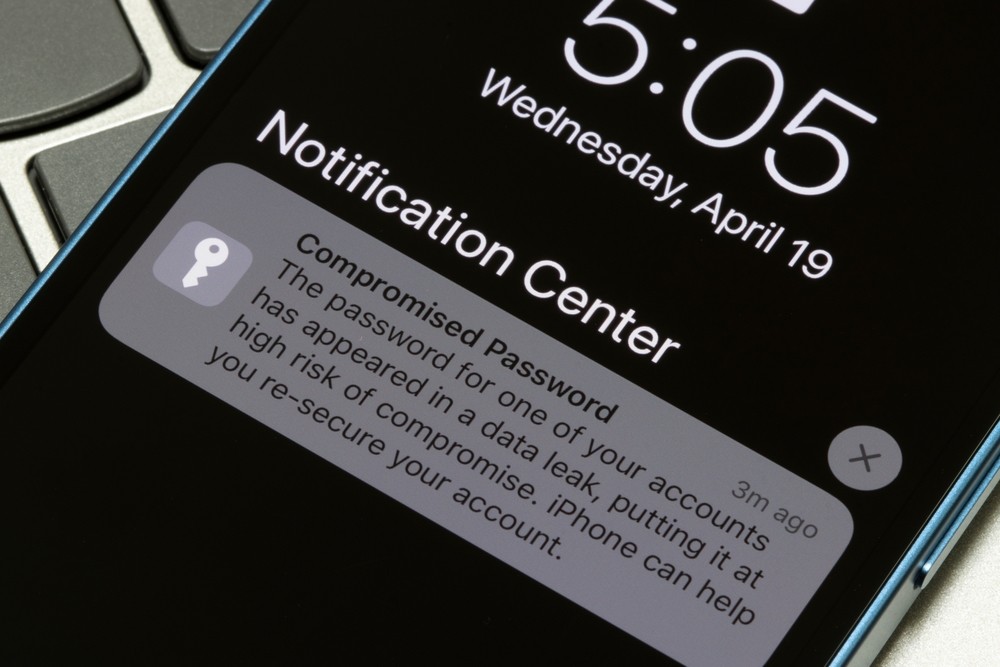
Recent research from Malwarebytes, a leader in real-time cyber protection, reveals that iPhone users are taking more online risks compared to Android users, while falling for more scams. The study surveyed 1,300 adults across five countries, shedding light on worrying trends.
The findings indicate that iPhone users share more personal information, regularly reuse passwords, and are less likely to adopt security software. Alarmingly, they also fall for more scams and make riskier purchases from unknown sources than their Android counterparts.
“Too many iPhone users rely on the device’s reputation for security without taking basic steps to protect themselves, leaving them vulnerable to today’s realistic scams and silent threats,” said Michael Sherwood, VP of Product, Malwarebytes. “...Cybercriminals know that mobile devices are a fruitful gateway to scams and threats. We need to be aware and sceptical of everything...”
The survey uncovered disparities between the two user groups in their security approaches:
This research highlights a major issue: overconfidence. Many iPhone owners put enormous trust in their device's built-in security, making them more complacent in terms of adopting additional protective measures. With a 55% confidence rate, iPhone users seem to underestimate the risks, as against the 50% on Android, potentially accounting for the discrepancies in security habits.
In response to the rising threat of scams, Malwarebytes has introduced Scam Guard, an AI-powered digital safety tool incorporated into their Mobile Security app. It functions by offering instant feedback on scams and threats, aiming to educate users and mitigate risks pre-emptively.