Digital Newsletter
Each week our editor Phil Alsop rounds up the most popular articles, videos and expert opinions. We compile this into a Digital Newsletter and send it straight to your inbox every week.
Digital Magazines
We'll let you know each time a new edition of Data Centre Solutions is released so that you're always kept up-to-date with the latest and greatest news and press releases.
Video Magazines
The Data Centre Solutions Video magazine contains the latest Zoom interviews with experts in the industry.
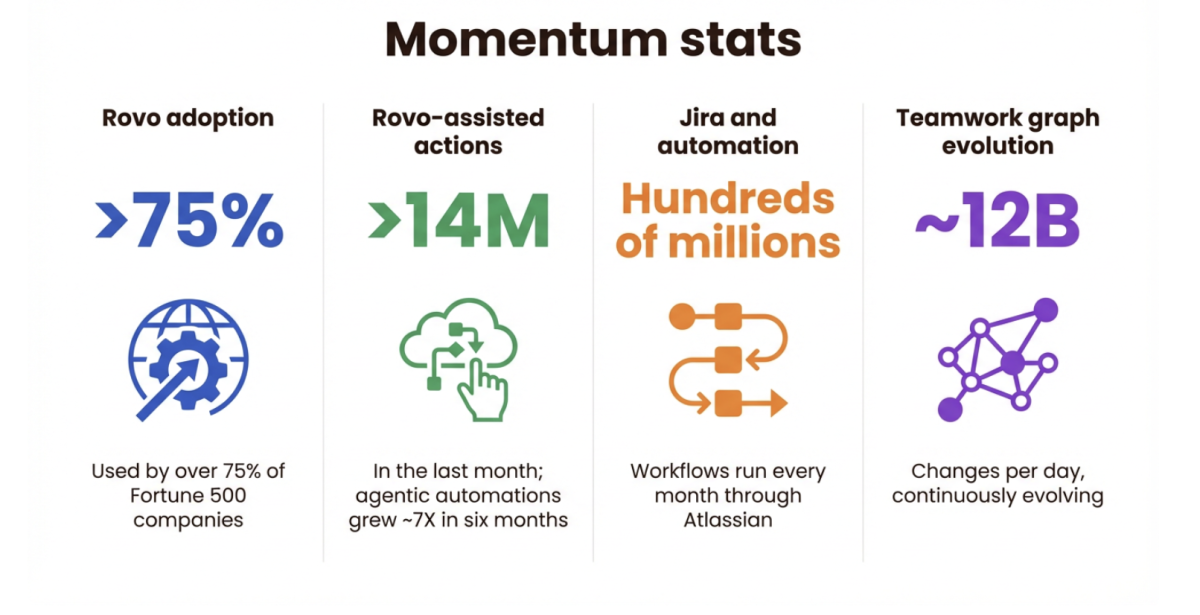
In digital collaboration, Rovo, Atlassian’s AI, is undergoing a transition. With over 14 million Rovo-assisted actions recorded in the past month, it is moving from assistive capabilities toward agentic execution, affecting how teams carry out work.
Max in Rovo Chat allows users to delegate complex, multi-step tasks. It operates in the background, planning and executing actions across Atlassian platforms and third-party tools, with the ability to adjust processes as needed to deliver completed outcomes rather than individual responses.
Rovo Studio is now generally available, providing a no-code environment for building agents and automations. It is based on the Teamwork Graph and includes enterprise controls such as roles, approvals, versioning, and insights.
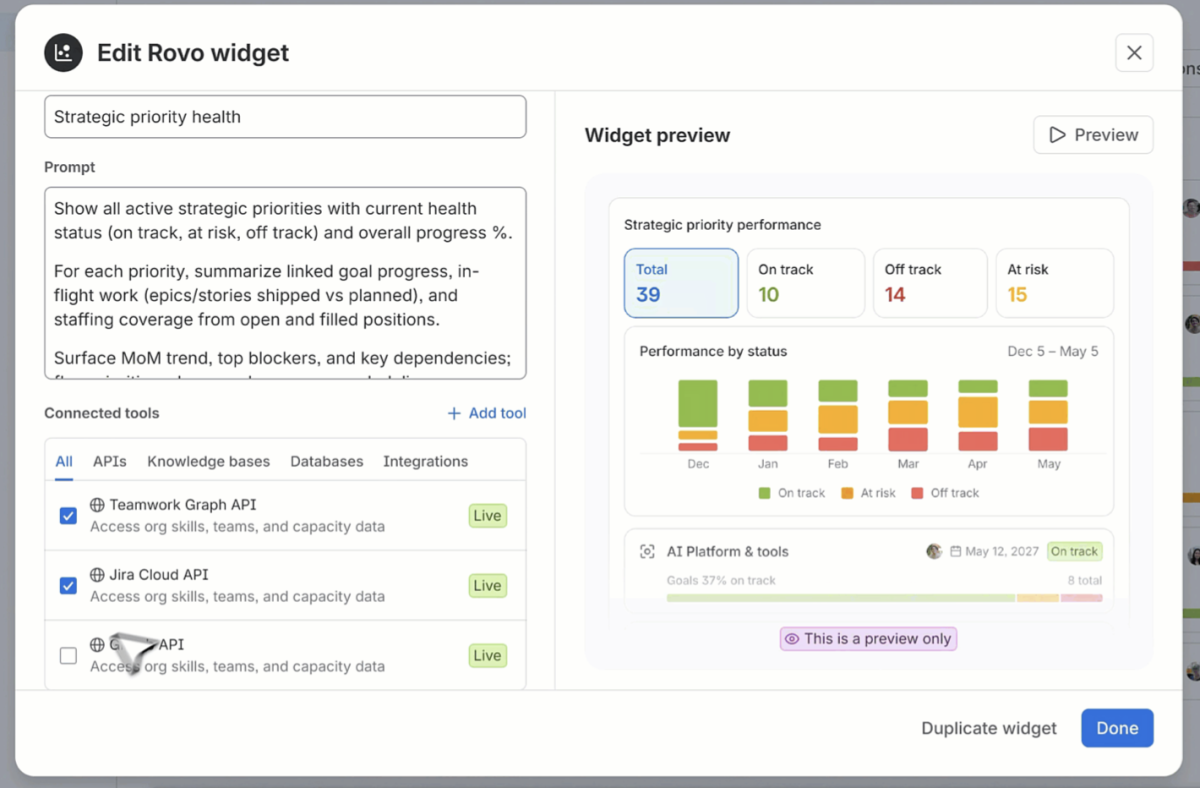
The Teamwork Graph (TWG) supports these capabilities by acting as a shared context layer for work across Atlassian and third-party tools. It connects teams, projects, documents, and decisions, and includes over 150 billion connections to support actions and decision-making across systems.
The Teamwork Graph CLI, currently in open beta, provides a structured terminal interface for developers, administrators, and coding agents to work across code, incidents, documents, and goals with contextual information. Teamwork Graph Tools in MCP, also in open beta, enables integration of TWG data into MCP-compliant agents and third-party tools, providing access to ownership, history, and contextual relationships.
Additional product updates include the expansion of the Product Collection. Jira Product Discovery now incorporates customer signals to support decision-making based on available data. The Feedback feature, in early access, uses AI to capture and synthesise customer input for prioritisation.
Within the Teamwork Collection, Jira, Confluence, and Loom support the use of agents as part of team workflows, enabling them to carry out tasks with access to relevant context. Rovo Service provides options for autonomous or supervised level-one support, with self-service agents created in Rovo Studio to support routing and handling of requests.
For service management, the Incident Command Centre provides a centralised hub for incident detection, investigation, and resolution, including Rovo-assisted root-cause analysis.
Developer-focused updates include AI Code Insights and AI Pulse, which provide visibility into AI-generated code and productivity signals for engineering teams. Dia Reports introduce browser-based briefings that combine Teamwork Graph context with commonly used tools, with the aim of reducing the need for manual prompts over time.