Digital Newsletter
Each week our editor Phil Alsop rounds up the most popular articles, videos and expert opinions. We compile this into a Digital Newsletter and send it straight to your inbox every week.
Digital Magazines
We'll let you know each time a new edition of Data Centre Solutions is released so that you're always kept up-to-date with the latest and greatest news and press releases.
Video Magazines
The Data Centre Solutions Video magazine contains the latest Zoom interviews with experts in the industry.
Reindustrialisation has entered a more mature phase as organisations place greater emphasis on controlling dependencies while maintaining economic viability. Findings from the Capgemini Research Institute indicate that nearly 75% of large organisations in Europe and the US have a strategy in place or in development, reflecting a focus on resilience and control. Although investment forecasts have declined, this shift reflects more selective capital allocation rather than reduced overall intent.
Industries including automotive, electronics, semiconductors, and aerospace, which face higher levels of dependency risk, are among those most actively pursuing reindustrialisation. These sectors are moving from large-scale expansion toward more technology-enabled operating models.
Approaches to reindustrialisation vary by region. In continental Europe, friendshoring is used by 64% of organisations as a way to manage strategic dependencies through partnerships with allied countries. In the US, reshoring activity has increased compared to 2025, while nearshoring remains a significant component of investment strategies.
At a global level, organisations are adjusting their exposure to China while increasing activity in countries such as India, Vietnam, Mexico, and Canada. This reflects a broader shift toward more diversified supply-chain structures across multiple regions.
Investment strategies are becoming more selective, with organisations placing greater emphasis on long-term value rather than expansion at scale. This includes the use of flexible manufacturing models, contract partnerships, and shared infrastructure to maintain strategic control while limiting capital intensity.
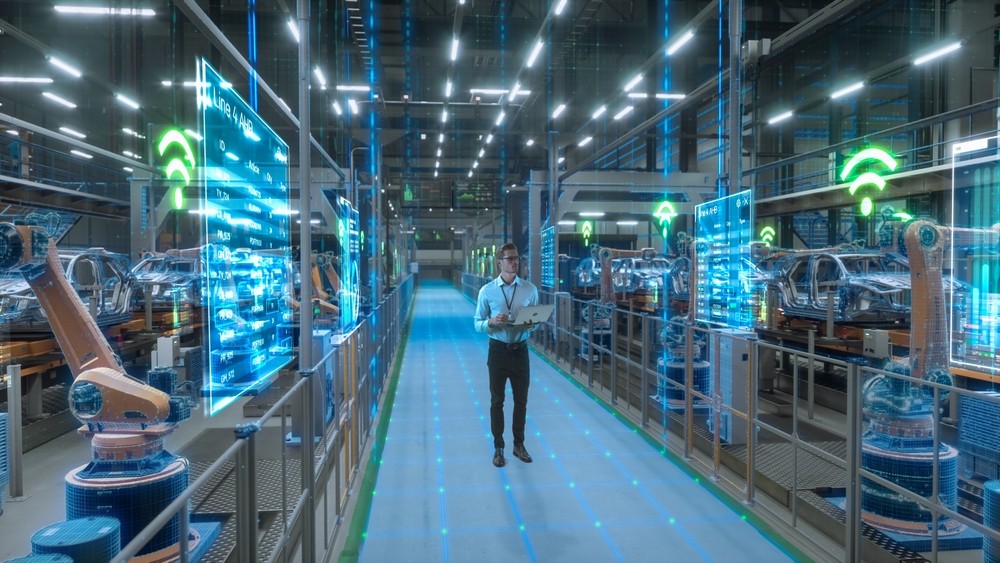
Technology plays a central role in supporting reindustrialisation. A large proportion of organisations plan to invest in areas such as AI and automation to help offset higher production costs and support decision-making in areas such as production planning and supply-chain management. At the same time, skills shortages in advanced manufacturing, automation, and digital technologies remain a constraint.
Reindustrialisation decisions are increasingly assessed using a broader set of economic factors, including supply-chain resilience and long-term returns. While economies of scale are expected to reduce unit costs over time, the emphasis is on longer-term strategic outcomes.