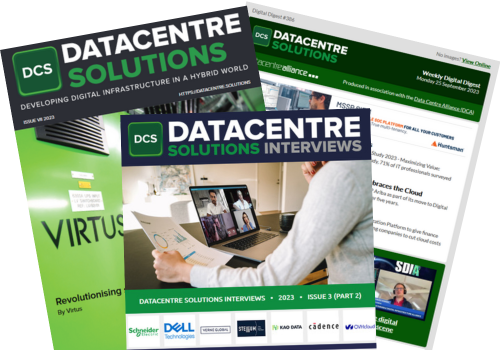
Digital Newsletter
Each week our editor Phil Alsop rounds up the most popular articles, videos and expert opinions. We compile this into a Digital Newsletter and send it straight to your inbox every week.
Digital Magazines
We'll let you know each time a new edition of Data Centre Solutions is released so that you're always kept up-to-date with the latest and greatest news and press releases.
Video Magazines
The Data Centre Solutions Video magazine contains the latest Zoom interviews with experts in the industry.
The European Parliament has formalised changes to the Corporate Sustainability Due Diligence Directive (CSDDD), adjusting criteria to target only larger enterprises, specifically those with over 5,000 employees and a turnover exceeding €1.5 billion. While officially sparing many SMEs from direct regulation, these shifts are creating ripples that make sustainability a pressing issue for all businesses, big and small.
The inefficient digital infrastructures endemic to smaller enterprises are coming under scrutiny. Legacy IT infrastructure, overentrenched cloud services, and aging hardware are contributing factors that inflate energy consumption by up to 20% in SMEs, as estimates show. This excess not only burdens finances with increased energy costs but also accelerates the obsolescence of equipment, ramping up maintenance and replacement costs. Crucially, cumbersome IT can stifle a business's capability to adapt to nimble, cloud-based solutions—essential tools for modern competitiveness.
Proactive evaluations of IT operations allow SMEs to curtail emissions and lower operational expenditures, empowering them to present as stronger contenders in a marketplace where partners and clients are progressively valuing sustainability.
Mark Appleton, Group Lead Vendor Ecosystem Development at ALSO Group, warns against status quo complacency: “Sustainability in IT is no longer just a corporate talking point. Even when SMEs are not legally obliged to report, the expectations of partners, customers, and investors are rising. Inefficient infrastructure is not only a climate issue but also a financial issue. Businesses that ignore these pressures risk higher costs and reduced competitiveness.”
Appleton points to feasible, tactful measures. By auditing resources, identifying unused or underused servers, consolidating cloud services, extending hardware longevity, and adopting a circular IT model, businesses can secure tangible benefits in cost efficiency and pollutant reduction.
He urges businesses not to await external mandates: “Businesses cannot wait for regulation or market pressures to force change. Start by auditing your digital estate, identifying inefficiencies, and exploring sustainable technology solutions. Taking proactive steps now will save costs, reduce your carbon footprint, and position your company to thrive in a market that increasingly values sustainability.”